

Eragrostis spectabilis
- In stock, ready to ship
Eragrostis spectabilis: A Rosy Purple Haze on Sandy Ground
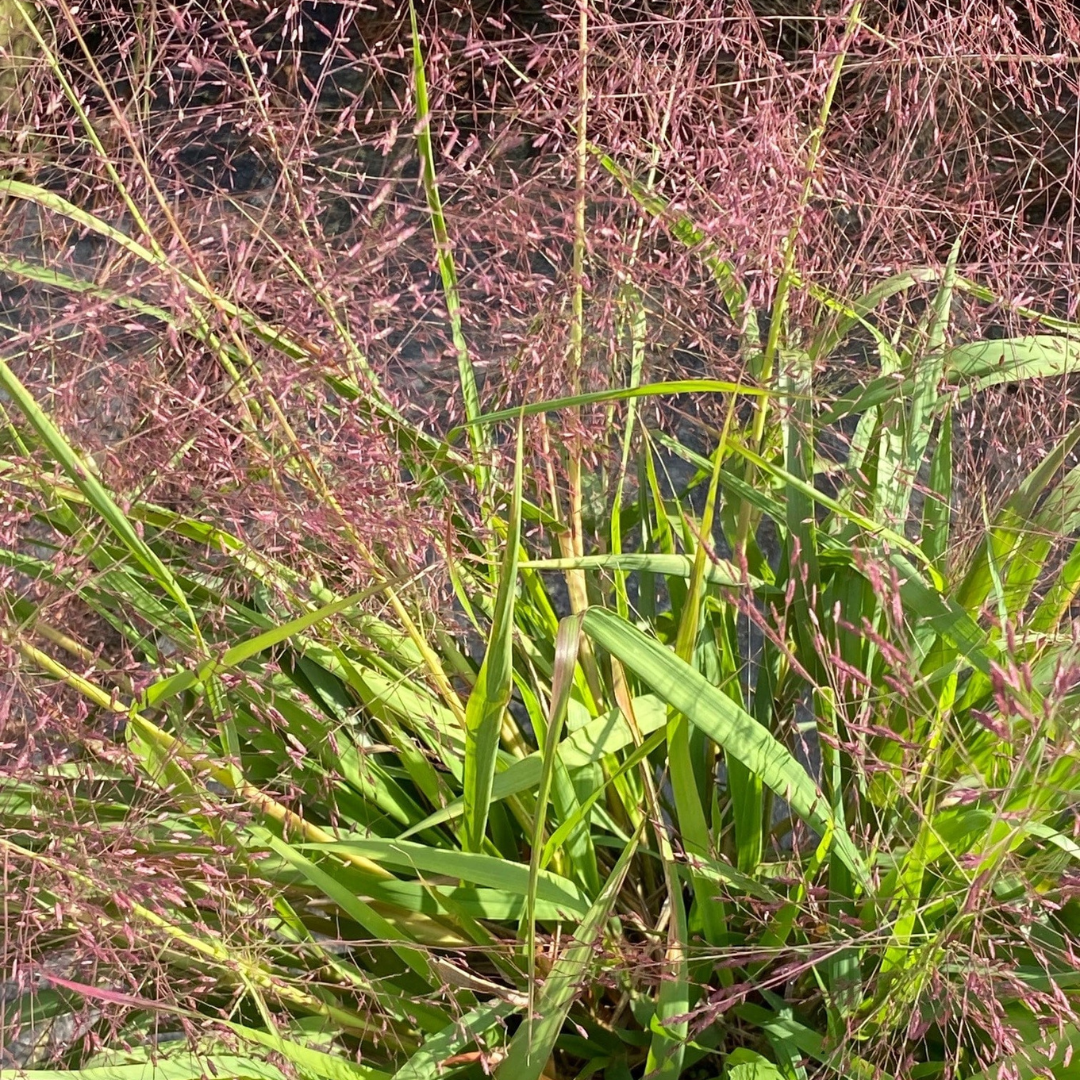
This native grass puts out a cloud of reddish-purple flowers so dreamy the yard looks like it's wearing a filter. Purple love grass thrives in sand and lousy soil, proving love really can grow anywhere. SWIPE RIGHT IMMEDIATELY.
Plant Characteristics:
- Botanical Name: Eragrostis spectabilis
- Common Name: Purple Love Grass
- Height: 30–60 cm (1–2 ft) in flower
- Spread: 30–60 cm (1–2 ft)
- Flowers: Grass grown mainly for its airy, reddish-purple flower clouds, which fade to tan
- Bloom Time: Midsummer to early fall (July to September)
- Foliage: Fine, green leaves forming a low tuft, turning bronze-red in fall
- Features: Thrives in sandy or poor soil, rarely browsed by rabbits, host plant for the Zabulon skipper butterfly, seeds for birds
Where to Plant: Use it at the front of a sunny border, in gravel gardens, along a dry slope or edging a hot sidewalk, or in drifts through a meadow planting for a hazy, rosy wash of colour. It thrives in poor, sandy soil, which makes it a good fit for the hot strip along a driveway.
Companion Plants: Echinacea paradoxa rises above the grass at 75 to 90 cm with yellow coneflowers from June to August. Along the edge, Armeria 'Alba' adds tidy tufts with white flowers in May and June. Agastache 'Blue Fortune' brings blue spikes from July to September, matching the grass's bloom time. All three like full sun and lean, well-drained soil.
Plant Care: Plant in full sun in well-drained soil. Sandy, gravelly or lean soil is perfect. Heavy, wet clay is the one thing it won't forgive. Water through the first season, then let it fend for itself. It's a warm-season grass, so it's slow to wake up in spring. Don't panic. In fall the flower heads break off and tumble around, and it may self-seed a little in open soil. Cut the clump back to a few centimetres in early spring, before new growth starts. Division is rarely needed.
History: Purple love grass grows in sandy fields, open woods, dunes and roadsides across eastern and central North America, including southern Ontario. The genus name Eragrostis is usually explained as a blend of Greek words for love and grass, and spectabilis means showy.
Final Thoughts: Mass it along a dry, sunny bank and watch the whole slope blush. A RELATIONSHIP THAT ACTUALLY GETS BETTER WITH NEGLECT.



