

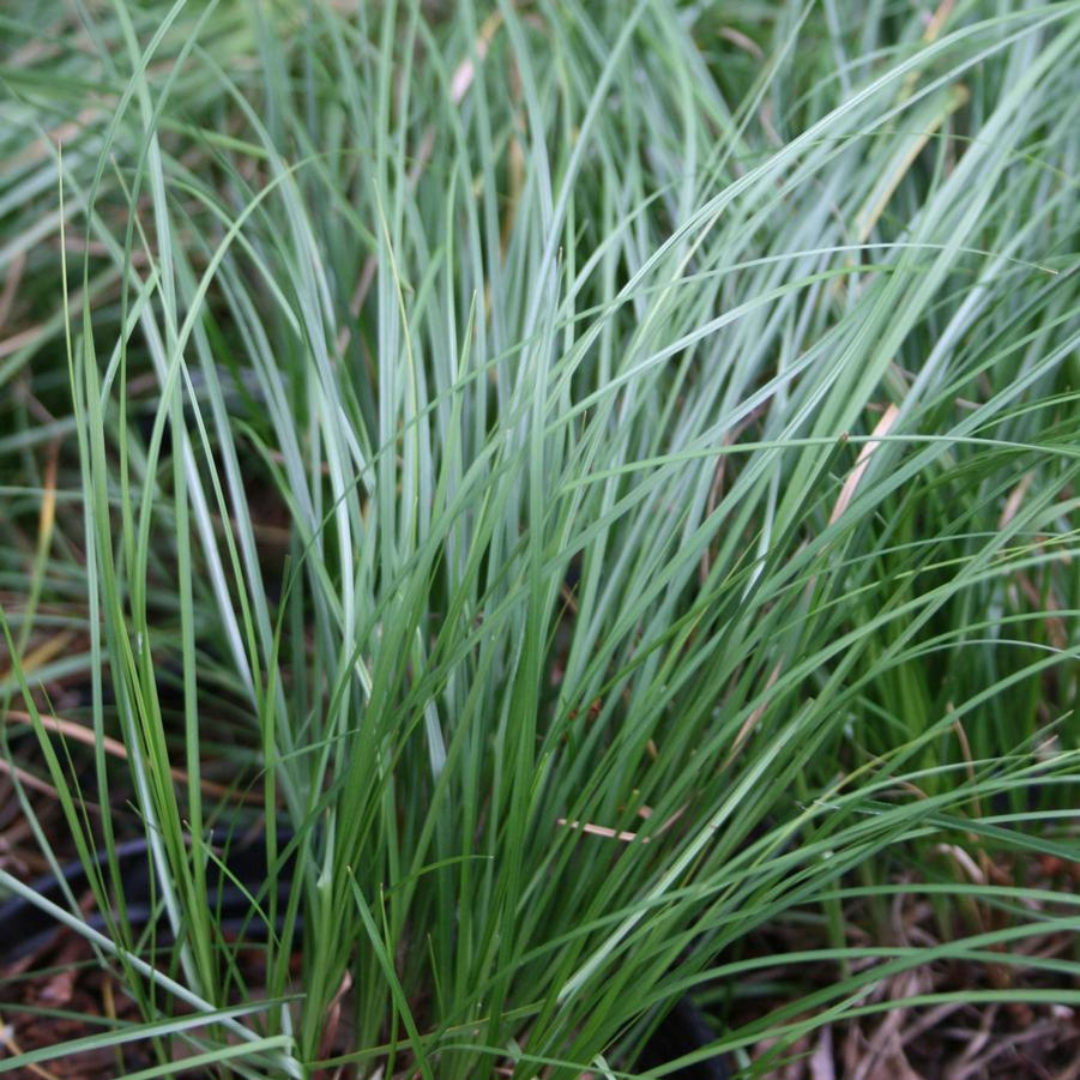
Carex pensylvanica
- In stock, ready to ship
Carex pensylvanica: The No-Mow Answer to Dry Shade
Pennsylvania Sedge is the lawn that doesn't need you. Fine, bright green blades in a soft, loose mat, thriving in dry shade where turf throws up its hands. NO MOWER, NO SPRINKLER, NO EXCUSES.
Plant Characteristics:
- Botanical Name: Carex pensylvanica
- Common Name: Pennsylvania Sedge, Oak Sedge
- Height: 15–30 cm (6–12 in)
- Spread: 30–60 cm (1–2 ft), slowly spreading by rhizomes
- Flowers: Tiny cream to tan spikes held just above the leaves; subtle rather than showy
- Bloom Time: Mid spring (April to May)
- Foliage: Fine-textured, bright green, arching blades forming a loose mat
Where to Plant: Use it in dry shade under trees, where turf struggles, planted in drifts as a no-mow lawn substitute in low-traffic areas. It also works as a living mulch between shade perennials or to hold soil on a shaded slope, and it handles light to moderate foot traffic.
Companion Plants: Polygonatum odoratum 'Variegatum' rises through the fine sedge with arching stems and white bells in May and June. Geranium macrorrhizum 'Ingwersen's Variety' adds pink flowers from May to July and covers the ground well. Eurybia divaricata 'Eastern Star' brings white asters from August to October. Together they make a low-care woodland planting for dry shade.
Plant Care: Plant in spring or early fall in well-drained soil. Sandy and loamy soils are ideal, and it handles dry conditions once settled. Water regularly through its first season while the roots establish. Space plants about 30 cm apart for a groundcover; they'll fill in over a couple of seasons. It needs very little care. If the foliage looks tired at winter's end, shear or mow it high (about 8 cm) in early spring before new growth starts. No feeding needed. Divide clumps in spring if you want to extend a planting.
History: Pennsylvania sedge grows wild across eastern and central North America, from Quebec and Ontario west to Manitoba and south through the Appalachians, where it carpets dry oak and pine woods and savannas. It hosts the caterpillars of several native butterflies and moths.
Final Thoughts: Native, deer resistant and done with your weekend chores. Plant a carpet of it under the maples and SELL THE LAWNMOWER.



