



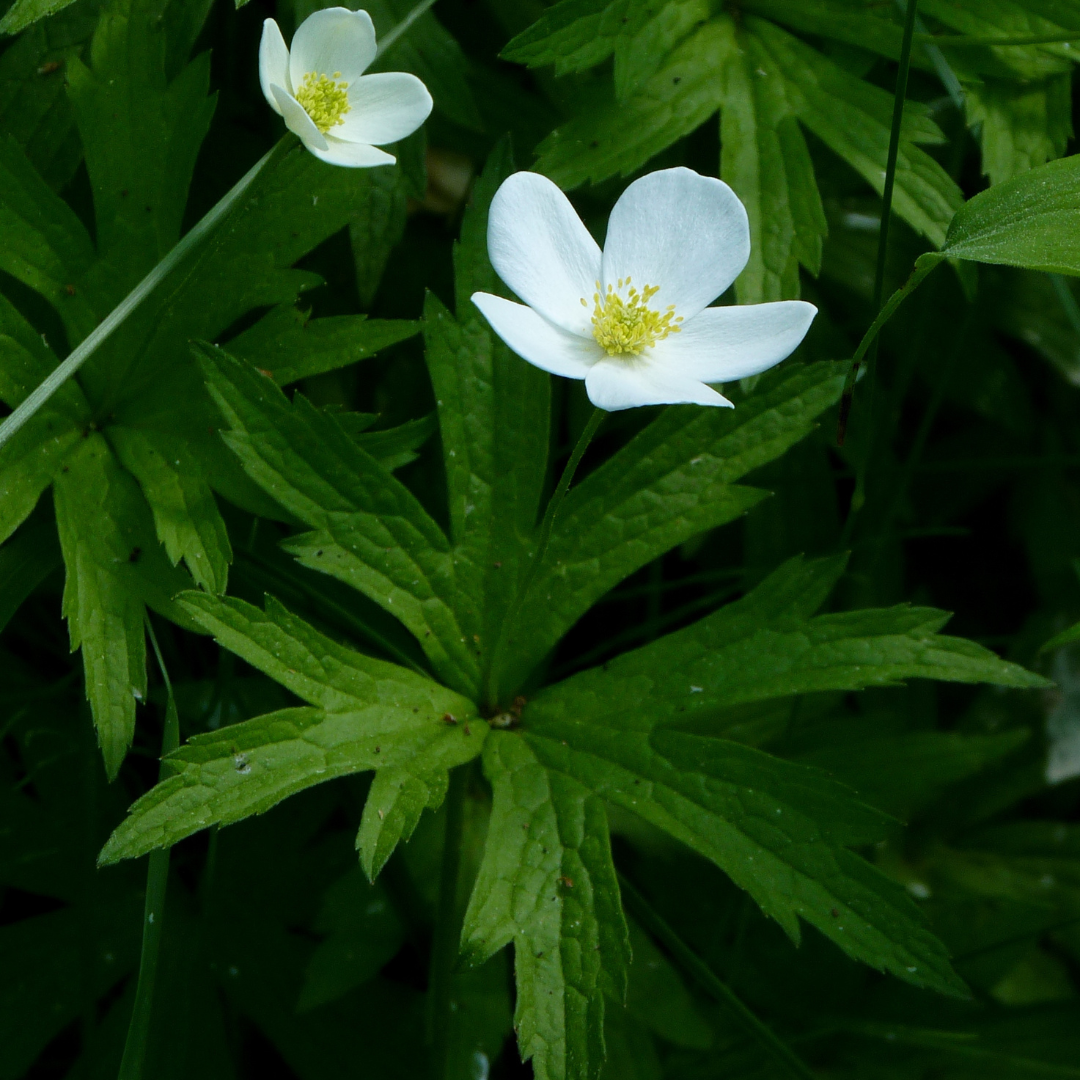
Anemone canadensis
Add to Wishlist Full Sun
 Partial Sun
 Deer Resistant
 Pollinator Friendly
 Native
- In stock, ready to ship
Anemone canadensis: Wet Ground? It'll Carpet That in White
Native, white and tough as a hockey dad in a cold rink, Canada Anemone thrives in the wet spots other plants avoid. Simple flowers, yellow-tipped stamens, zero fuss. BORN HERE. STAYING HERE.
Plant Characteristics:
- Botanical Name: Anemone canadensis
- Common Name: Canada Anemone, Meadow Anemone
- Height: 30–60 cm (1–2 ft)
- Spread: 60–90 cm (2–3 ft) and more over time, spreading by rhizomes
- Flowers: White, 2.5–4 cm (1–1.5 in) across, with yellow-tipped stamens
- Bloom Time: Late spring to midsummer (May to July)
- Foliage: Deeply lobed, toothed green leaves
- Features: Rabbit resistant, tolerates wet soil
Where to Plant: This is a plant for big, loose spaces: rain gardens, pond and stream edges, ditches, damp meadows and naturalized areas that need a living ground cover. It handles clay and seasonal wet spots. Keep it out of small, tidy beds, where it will crowd its neighbours.
Companion Plants: Bergenia 'Bressingham Ruby' flowers magenta in April and May, just ahead of the white anemones. Verbena hastata 'Blue Spires' rises to 120 cm with blue spikes from July to September. Lobelia cardinalis adds red flowers from midsummer into early fall and likes the same moist ground. All three grow in full sun or partial sun.
Plant Care: Plant in sun or part shade, in average to moist soil. It grows fastest in open, sunny, damp ground and more slowly in shade or dry soil. Water through the first few weeks, then let it go. To keep it where you want it, plant it in a bed bordered by paving, a wall or lawn you mow. Pull or dig unwanted runners in spring. Cut it back after it flowers if the foliage looks tired. Dividing is easy, since any rooted piece will grow.
History: Canada anemone grows across most of Canada, including Ontario and Quebec, and through the northern and central United States, in moist meadows, shorelines and wet ditches. The species name canadensis marks it as a plant first described from Canada.
Final Thoughts: Plant it in that soggy corner, let the native bees feed and watch the deer and rabbits walk on by. THE SWAMP HAS NEVER LOOKED THIS CLEAN.



