

Molinia 'Variegata'
- In stock, ready for delivery
Molinia 'Variegata': Small-Garden Grass in Cream Pinstripes
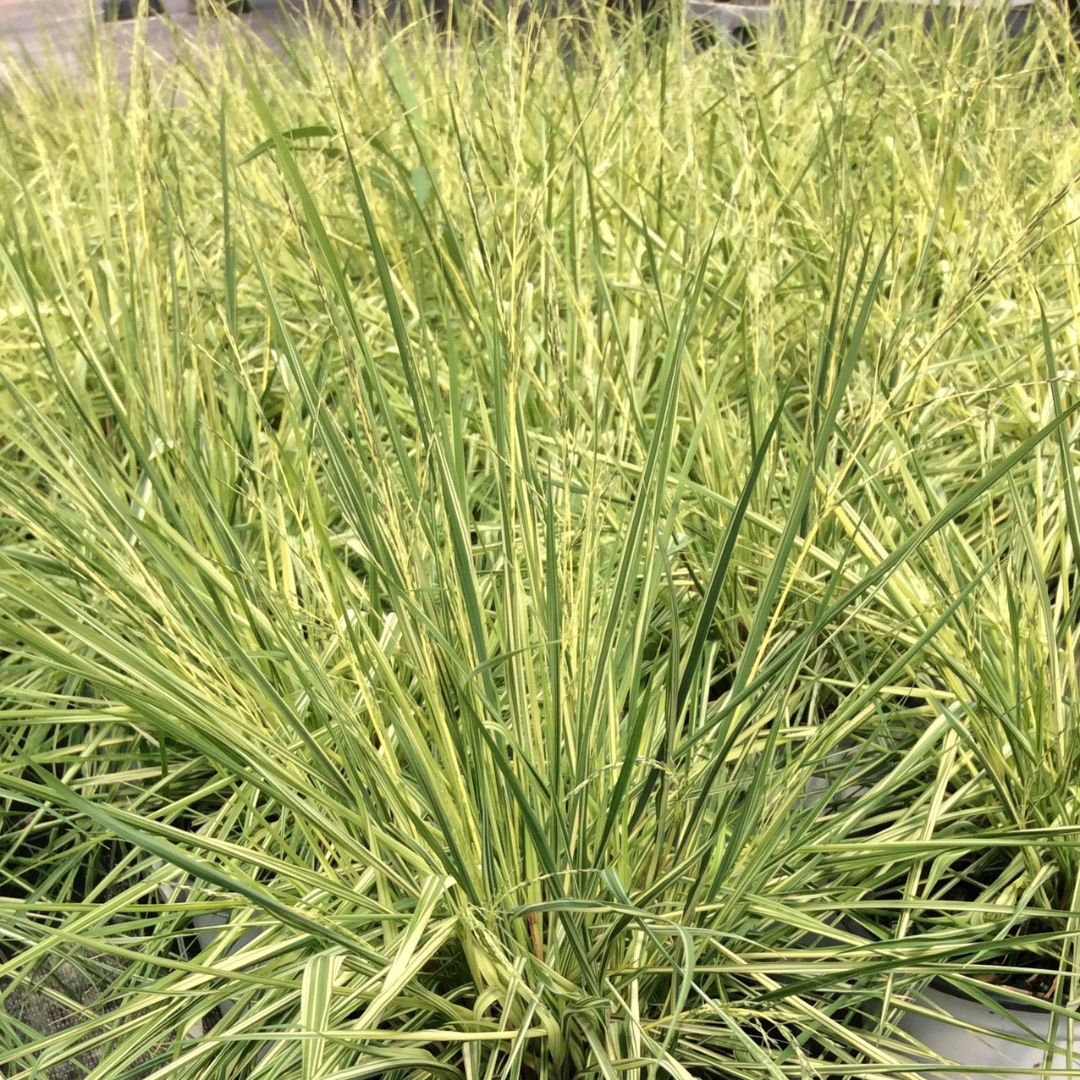
'Variegata' is a compact grass in cream-and-green stripes, like it raided a seersucker suit sale. Purplish flower stems rise above and age to straw gold. PREPPY, BUT IN A FUN WAY.
Plant Characteristics:
- Botanical Name: Molinia caerulea subsp. caerulea 'Variegata'
- Common Name: Variegated Moor Grass
- Height: 60–80 cm (2–2.5 ft) in flower; the leafy clump is about 40–50 cm (16–20 in)
- Spread: 40–60 cm (16–24 in)
- Flowers: Narrow purplish panicles on thin, upright stems, ageing to straw gold
- Bloom Time: Late summer (August to September)
- Foliage: Arching, dark green leaves boldly striped in cream, turning golden in fall
- Features: Compact, holds the RHS Award of Garden Merit
Where to Plant: Use it along the front of a border, as an edging or in groups where its stripes can brighten a planting. It's a good small-garden grass because it never gets bulky, and the cream leaves show up best against dark foliage.
Companion Plants: Edge a moist bed in sun or part shade with the cream-striped blades of 'Variegata'. Aquilegia Earlybird™ Blue White opens blue and white columbines at 23 to 28 cm from May to July. Darmera peltata adds pale pink flower clusters at 90 to 120 cm in April and May, then huge round leaves. Digitalis Arctic Fox™ Lemon Cream brings pale lemon foxgloves at 60 cm from June to August. Filipendula 'Venusta' rises behind at 180 to 240 cm with deep pink plumes.
Plant Care: Plant in full sun to part sun in moist, well-drained soil. It prefers neutral to acidic soil and a steady supply of moisture, though it copes with average conditions once settled. Water regularly through its first season. Moor grass grows slowly, so give it a couple of years to fill out. In early spring, cut the old leaves and stems back to the ground before new growth starts. Divide in spring only if the clump gets crowded.
History: Purple moor grass is native to wet heaths, moors and meadows across Europe and western Asia, and the genus is named for Juan Ignacio Molina, an 18th-century Chilean naturalist. This variegated form holds the Royal Horticultural Society's Award of Garden Merit.
Final Thoughts: Brighten a sunny bed or a container edge, and let the deer move along. IT DRESSES FOR THE JOB IT WANTS.