

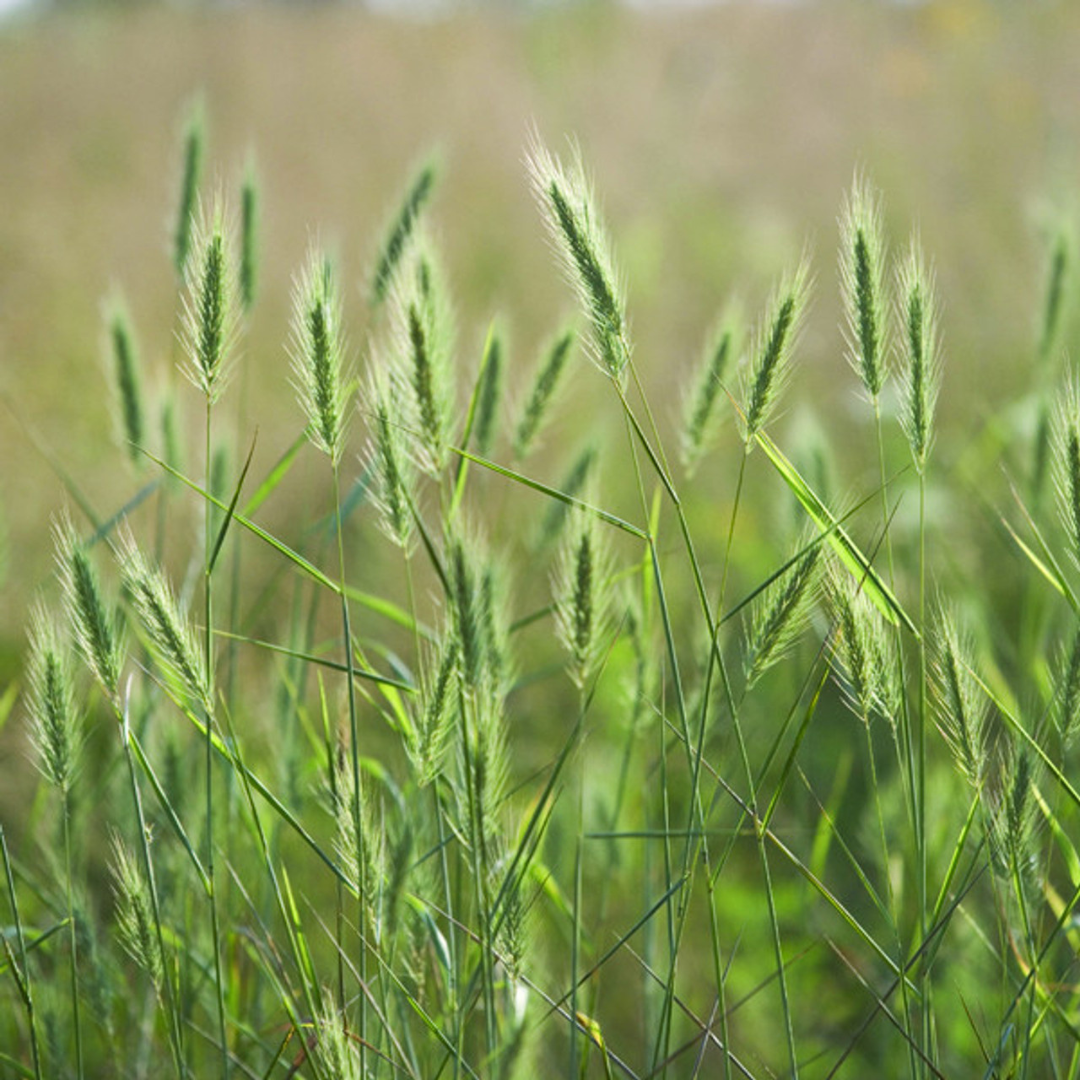
Elymus virginicus
- In stock, ready for delivery
Elymus virginicus: Wild Rye That Doesn't Mind Shade
Most grasses demand full sun like a tourist at a resort pool. This native wild rye is happy in part shade, holding its bristly seed spikes upright with excellent manners. LOW MAINTENANCE, HIGH INTEGRITY.
Plant Characteristics:
- Botanical Name: Elymus virginicus
- Common Name: Virginia Wild Rye
- Height: 90–125 cm (3–4 ft)
- Spread: 45–60 cm (1.5–2 ft)
- Flowers: Grass grown for foliage and form. Upright, bristly seed spikes emerge green and mature to tan.
- Bloom Time: Early to late summer (June to August), with seed heads lasting into fall
- Foliage: Green to grey-green, upright to slightly arching
- Features: Shade tolerant, larval host for skipper and satyr butterflies
Where to Plant: Use it at woodland edges, under high tree canopy, along streams and in rain gardens. It's fast to establish, so it's useful for holding soil on slopes and banks. It also tolerates clay and periods of wet soil.
Companion Plants: Use Virginia wild rye in a sunny or part-shade native bed with flowers that bloom from May into September. Campanula rotundifolia adds pale blue harebells at 15 to 45 cm from June to September. Penstemon hirsutus opens lavender trumpets at 30 to 60 cm in May and June. Rudbeckia hirta brings golden black-eyed Susans at 60 to 90 cm from June to September. Asclepias syriaca adds fragrant pink milkweed clusters at 90 to 150 cm from July to September.
Plant Care: Plant in full sun to part shade in average to moist soil. It isn't picky about soil type and tolerates clay. Water through the first season. It may look a little tired in a hot, dry August, but it usually greens up again in fall. Like many wild ryes, it's fairly short-lived and keeps its place by reseeding. Leave some seed heads standing if you want new plants. Keep it away from spots where dogs play, as the bristly seed heads can catch in fur. Cut the clump back in early spring before new growth starts.
History: Virginia wild rye is native across much of eastern and central North America, including southern Ontario and Quebec, where it grows in moist woods, floodplains, thickets and stream banks. Restoration ecologists use it as a pioneer grass for woodland and riverbank projects because it establishes quickly in partial shade.
Final Thoughts: Tuck it along the edge of a woodland and let the butterflies move in. THE RENT IS FREE AND THE LANDLORD IS CHILL.