

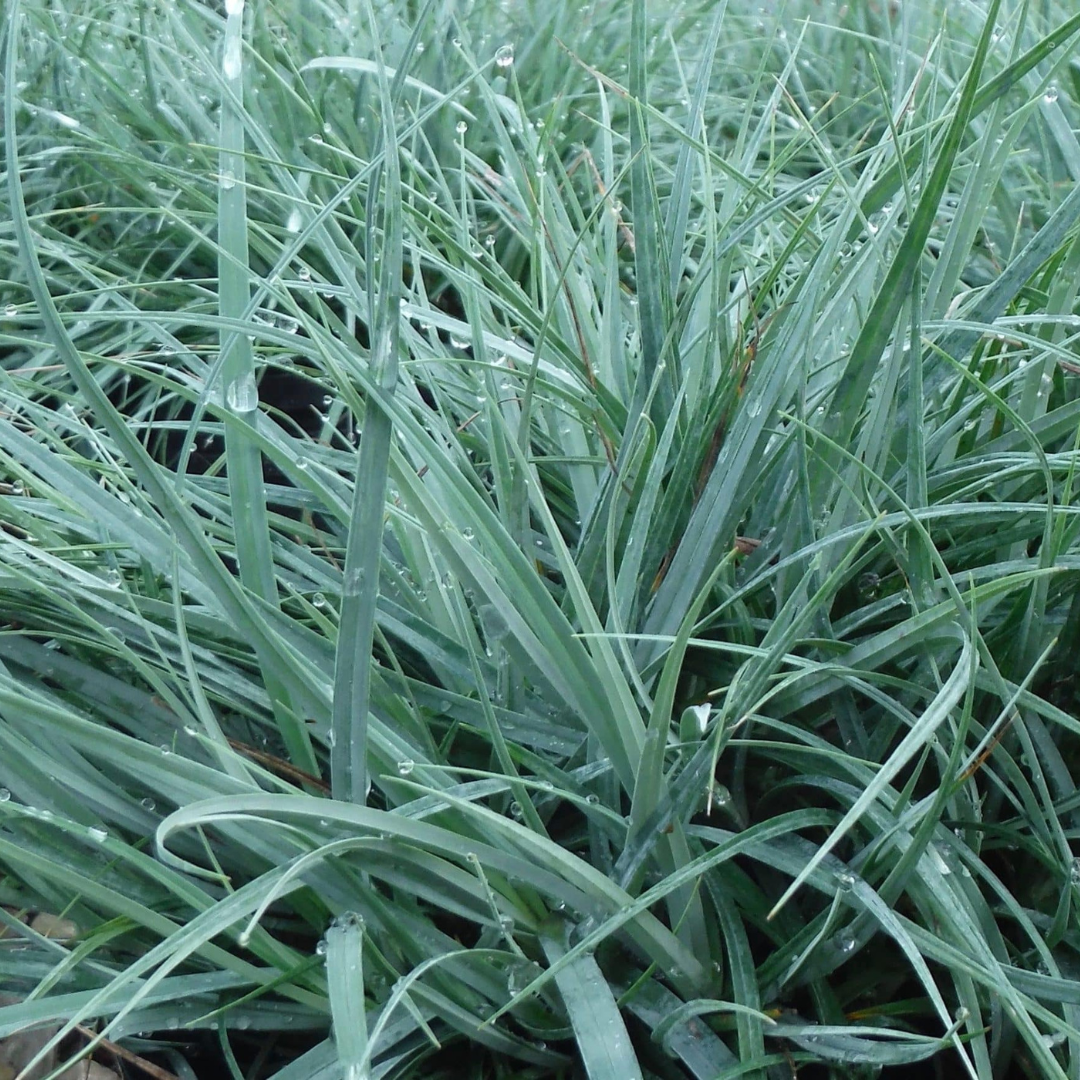
Carex 'Blue Zinger'
- In stock, ready for delivery
Carex 'Blue Zinger': Steel-Blue Blades, No Mowing Required
'Blue Zinger' delivers its one-liners in steel blue. Narrow, arching blades keep their colour most of the year, whether you give it sun, shade or the weird spot behind the shed. ALWAYS HAS A COMEBACK.
Plant Characteristics:
- Botanical Name: Carex flacca 'Blue Zinger'
- Common Name: Blue Sedge (also called Glaucous Sedge)
- Height: 30–45 cm (12–18 in)
- Spread: 45–60 cm (18–24 in), spreading slowly by rhizomes
- Flowers: Small, insignificant flower spikes; grown for its foliage
- Bloom Time: Summer (July to August)
- Foliage: Narrow, arching, steel blue-green blades that hold their colour much of the year
- Features: Slowly spreading groundcover
Where to Plant: Use it as a groundcover, to edge a path, to cover a slope, or massed in drifts where you want a low sweep of blue. It's a good stand-in for lawn in shady spots that don't get walked on. It adapts to many soils, including clay, and copes with city conditions.
Companion Plants: Use the steel-blue blades of 'Blue Zinger' to edge a moist bed in shade or part sun with bright colour behind. Waldsteinia ternata carpets the ground at 10 to 15 cm with yellow flowers in May and June. Primula Crescendo® Bright Red opens red primroses at 25 cm in April and May. Aruncus 'Chantilly Lace' adds creamy lace sprays at 60 to 80 cm in June and July. Persicaria 'Firetail' brings crimson bottlebrush spikes at 90 to 120 cm from July to September.
Plant Care: Plant it in part shade for the best colour, though it will grow in full sun with steady moisture and in fairly deep shade. Average soil is fine. Water through the first season, after which it handles dry spells well. In early spring, comb out or trim any winter-tattered leaves before new growth starts. A layer of mulch helps in exposed, cold sites. It spreads slowly by underground rhizomes. Divide in spring if you want more plants or need to keep it in bounds.
History: Carex flacca is native to Europe and North Africa, where it grows in grassland, dunes and damp meadows. One of its old English names is carnation grass, because its blue-grey leaves resemble carnation foliage.
Final Thoughts: Slowly spreading, drought tolerant once settled and basically fuss-free. Let it fill in under the trees. QUIET PLANT, SHARP WIT.