

Eurybia divaricata
Add to Wishlist Partial Sun
 Full Shade
 Pollinator Friendly
 Native
- In stock, ready to ship
Eurybia divaricata: White Wood Aster
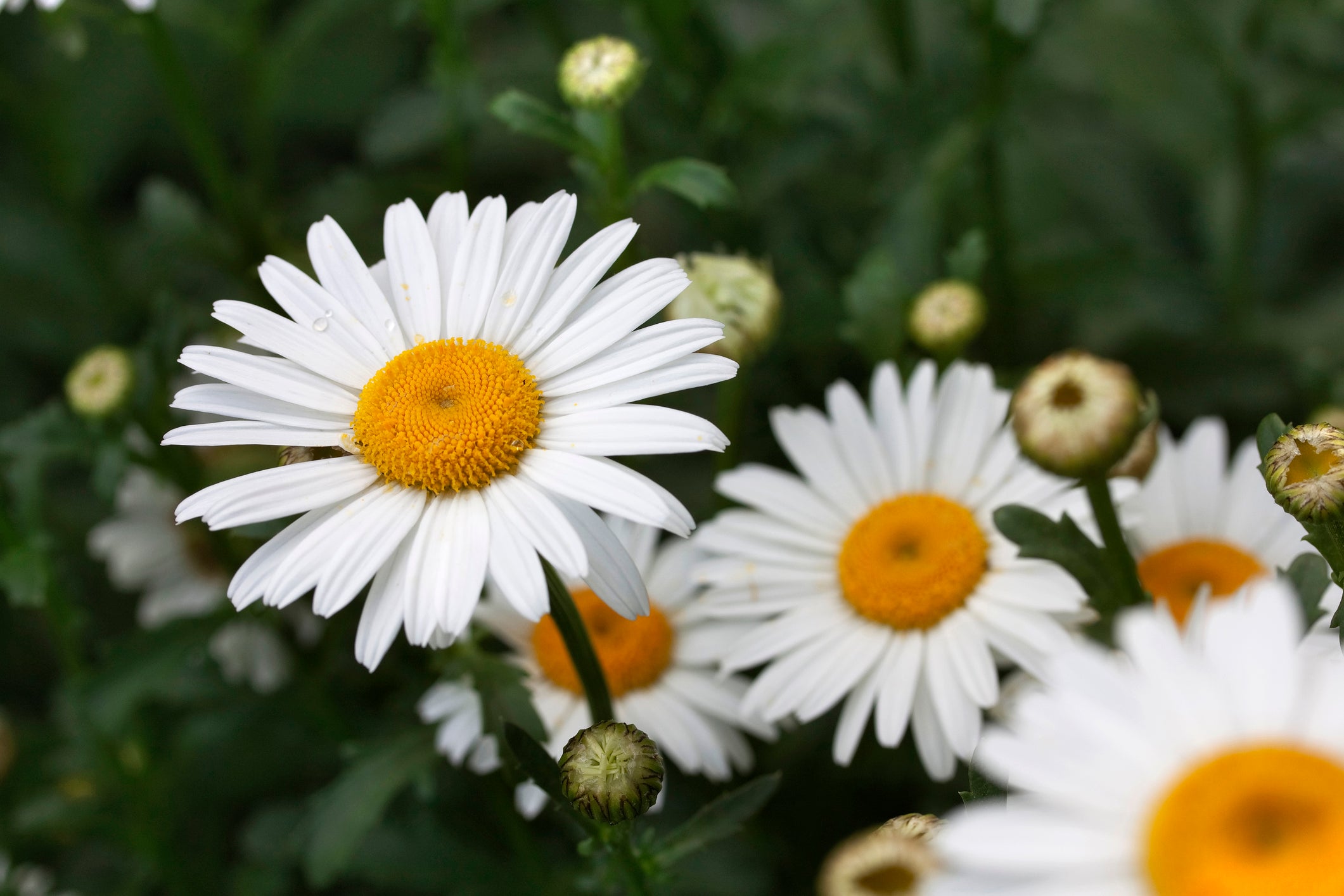
An indispensable native perennial for dry shade, Eurybia divaricata—still widely known as Aster divaricatus—brings light and late-season texture to woodland gardens. It forms a low, tidy mound of green foliage, from which rise slender, shiny black stems topped with masses of small, white, daisy-like blooms. These delicate flowers, blooming from September into October, create a cloud-like effect that softens shady edges and gently sways with every breeze. Rugged yet refined, it’s a go-to for understorey plantings, thriving where many perennials won’t.
Plant Characteristics:
- Height: 30–60 cm
- Spread: 30–50 cm
- Flower Colour: White with yellow centres that age to red
- Flowering Period: September to October
- Foliage: Green, heart-shaped basal leaves
- Sunlight Requirements: Part shade to full shade
- Soil Requirements: Moist to dry, well-drained woodland soil
Uses and Benefits: Ideal for dry, shaded spots beneath trees, along woodland paths, or in naturalistic shade borders, this native aster offers late nectar for pollinators and a refined, meadow-like quality in low light. Its compact habit and wiry stems make it easy to weave among other shade perennials, while its adaptability and deer resistance make it an excellent low-maintenance choice for ecologically minded designs.
Companion Plants: Pair Eurybia divaricata with Dryopteris 'Brilliance', Carex pensylvanica, and Asarum canadense to create a sophisticated shade composition with bold texture, gentle groundcover, and seasonal harmony.
Care Instructions: Plant in partial to full shade in well-drained soil. Once established, it tolerates dry conditions and needs little attention. Water during extended drought in the first year, but avoid rich soil or excess fertilization, which can reduce flowering. Cut back in early spring, and allow room to self-seed lightly for a naturalistic effect.
History: Native to eastern North America, this species was reclassified from Aster to Eurybia, but remains cherished in both native and ornamental gardens. Its shiny black stems and adaptability to dry shade make it especially valuable in Canadian woodland landscapes.
Final Thoughts: Quietly beautiful and incredibly reliable, Eurybia divaricata is a must-have for any shaded garden—bringing movement, pollinator value, and luminous bloom to the year’s final act.